
Each LifeBook Memoir is as unique as our diverse range of authors. Between our linen-bound covers, vast worlds wait to be discovered, from the herding communities of Mongolia to Partition-era India, Depression-era Brooklyn, and beyond. In working with an author to create their memoir, our promise is to craft their story to evoke their singular voice and ensure it endures down the years. Most often, our books are enjoyed only by a small number of readers, exclusively crafted by our authors with their nearest and dearest in mind.
Some may wonder why an editor is needed as part of the professional writing team—shouldn’t a professional ghostwriter do it all? Is it really necessary to include someone else who will pedantically correct commas when the books are meant to be authentically personal?
While, certainly, the goal of the editorial team is to ensure that every LifeBook is printed to the highest possible contemporary standards, “punctuation police” we are not! To paraphrase LifeBook Memoirs’ senior editor, Steve Edwards, editing is as much art as it is science. Far from being a paint-by-numbers job, the craft of editing—particularly editing a LifeBook private memoir or autobiography—is about sculpting structure, honing narrative, and ensuring the presentation of the story provides an experience by which readers can be swept away. The writer and editor Arthur Plotnik once advised authors, “You write to communicate to the hearts and minds of others what’s burning inside you, and we edit to let the fire show through the smoke.”
Contrary to popular belief, editing is deeply creative. Perhaps that’s why so many successful editors are also writers—Toni Morrison and Margaret Atwood included. Perhaps most famously, former reporter, columnist, and First Lady, Jacqueline Kennedy Onassis had a twenty-year editorial career after leaving the White House, working on more than 100 books in that time. After all her years of nurturing the legacy of the Kennedy Camelot, telling fabulous stories with her iconic sense of style, Kennedy Onassis turned her abilities to coaching authors to realize their books. Primarily an editor of nonfiction, she worked on history and design titles as well as the autobiographies of Michael Jackson and ballet dancer Gelsey Kirkland. She even encouraged Barbara Streisand to start writing. While the editorial team at LifeBook Memoirs can only dream of being so glamorous, the art of editing autobiographies is clearly a prestigious craft!
Editing at LifeBook Memoirs
As a general rule, editing falls into three main categories: structural, line, and copy.
- Structural (or developmental) editing focuses on the “big-picture” elements of a text, developing the order in which the story is told and shaping the manuscript to ensure there are no gaps.
- Line editing looks at phrasing and tone, the rhythm of sentences, and clarity of expression. It is the effectiveness of this stage that will most influence how the reader experiences the work and shape their perceptions of the characters and anecdotes contained within.
- Copyediting is where the “punctuation police” part of the job does, admittedly, come into play. When copyediting, an editor will correct grammar and punctuation and ensure consistency of house style is applied across a text.
(Proofreading is often considered another form of editing but is generally a later-stage check carried out on the typeset document before publication.)
While publishers often choose to separate out these types of editing across the production process, LifeBook Memoirs editors, owing to the company’s interview and review structure, usually perform all three at once! This said, there are several defined key stages of editing at LifeBook Memoirs, with specific aims and responsibilities at each juncture.
At the first review stage, for instance, a project’s editor will listen to a recording of the author’s first interview and review their style and structural preferences, as well as taking note of any further comments on their vision for the project. The editor will then begin to shape the ghostwriter’s initial manuscript into a skeleton structure as necessary. As they do so, they create a framework to help guide content gathering in subsequent interviews and ensure stories are told in the style preferred by the author. They may also insert queries for clarification and to assist in the development of existing text, as well as notes to encourage the author in the planning and visualization of how their book will take shape.
At the second review stage, the editor will listen to the author’s feedback on the previous review and, if necessary, revisit the existing text accordingly. They will communicate with the rest of the project team, discussing the author’s feedback and updated preferences and gathering information that will inform their editorial decisions going forward. They continue to do this at subsequent reviews, meanwhile ensuring that the tone of the text remains consistent and updating the structure of the narrative in a manner appropriate to the developing story.
At the Main Review stage, editors review any gaps in the text and look at the photo placements and captions assigned by the author. At this juncture, we may also suggest wording for an introduction or conclusion and perhaps even offer some book titles if the author has not yet selected one.
The Final Edit stage is perhaps the most time-intensive for the editors. At this point, we read the completed manuscript in its entirety, flagging any final queries, ensuring that the house style has been applied consistently throughout, and making sure that the document is ready for final changes by the author. The editor then prepares the manuscript for typesetting and proofreading, producing a list of conventions to notify our proofreaders of any project-specific style points to be aware of when they review the typeset pages.
Our editors must be vigilant when overseeing these late-stage changes. As the project progresses through various checking and amending passes prior to printing, and the end of the project approaches, the editor takes full responsibility for the text.
Meet the editors!
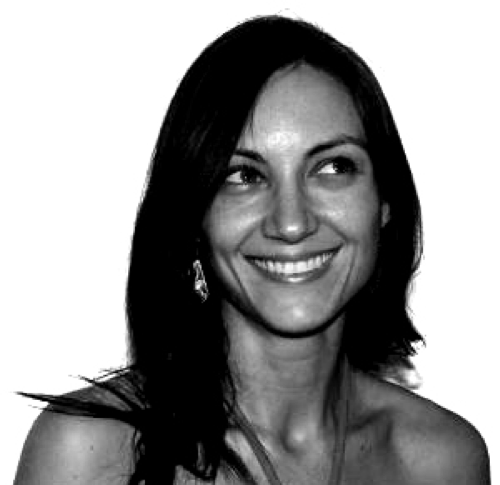
So, who are the people working on these highly unique books? Inevitably, our individual routes into editing have been as wide-ranging as the books we work on, but each member of the team has had a robust apprenticeship in our craft and brings a unique perspective to the work we do.
Before joining LifeBook Memoirs full time in 2020, senior editor Steve Edwards spent five years learning his craft as a copy editor and project manager on a range of academic journals, followed by ten years of nonfiction development editing and project management on the For Dummies list of reference books. He also spent four years writing for an online learning and development company and two years as an editor at a primary-source database publishing house, alongside which he took on freelance editing for the genealogy website Ancestry.com and ghostwrote for LifeBook Memoirs.
Editor Kate Parry taught English literature in a university for ten years, alongside completing her doctoral studies in the subject. Over the years, she has published an assortment of academic articles and a monograph and has also edited an academic journal. She started ghostwriting for LifeBook Memoirs in 2018 and joined the permanent staff as an editor in 2021.
Stephen Pitts landed his first job in journalism as a trainee reporter and was employed by regional and national publications and the Press Association (the U.K.’s national news agency), holding roles such as editor, sports editor, and travel editor. He has taught English as a foreign language and has written seven commercial and private biographies/autobiographies. He was engaged by LifeBook Memoirs as a freelance interviewer, ghostwriter, and editor for four years before joining the company staff in 2023.
In addition to her work with the editorial team, Ania Kalinowska has held roles across several departments, working in sales, project management, OPUS, and typesetting, and she has been at LifeBook Memoirs for nearly nine years now. Before joining the company, she spent time in Dubai, illustrating and typesetting children’s books.
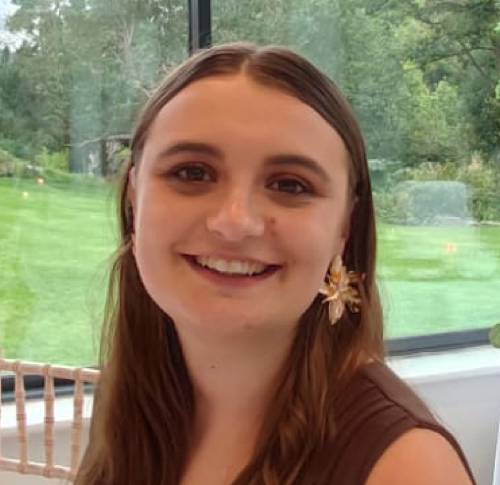
Like my colleagues, I, Isabella Roberts, also first worked with LifeBook Memoirs as a ghostwriter after interviewing and ghostwriting for an independent client and studying professional and creative writing at university. After a brief foray into the world of literary festivals, I joined LifeBook Memoirs full time in 2019, spending four years as a project manager before transitioning into the editorial team in 2023.
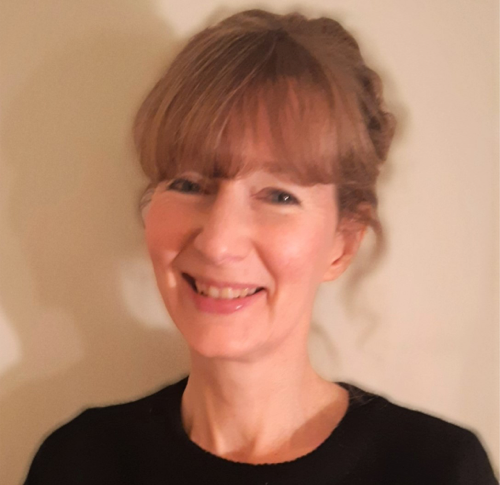
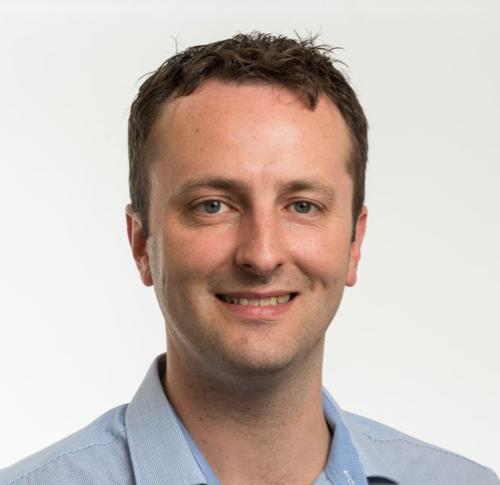
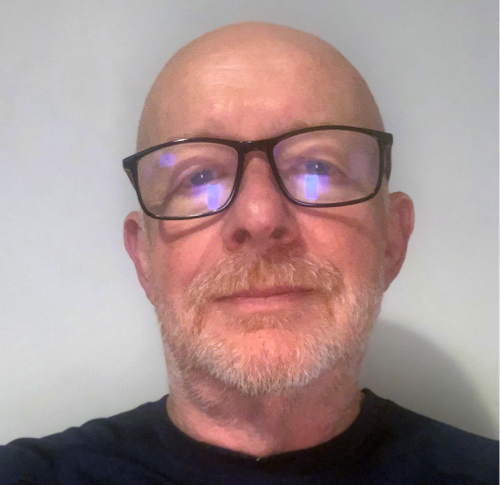
Collectively, we five LifeBook Memoirs editors have interviewed for, written, managed, and edited hundreds of memoirs and autobiographies, and we can claim to be true specialists in the form!
More than words (and commas and apostrophes)
Editing private autobiographies and memoirs is both a unique discipline and a privilege—one that demands an unusually nuanced, responsive, sensitive, and flexible approach. It is a unique space in the writing world—a space where memory, narrative, and craft intersect and one that LifeBook Memoirs is proud to inhabit.
Memoir writing is often misunderstood as simply a recording of events, but in practice it is a disciplined editorial process. Working in harmony with the ghostwriting role, editing at LifeBook Memoirs is another element of the second-to-none craftsmanship on which we pride ourselves. The thoughtful editing that we strive to deliver sharpens voice, reveals patterns, and gives shape to experience without diluting its truth—a responsibility understood and taken very seriously by the LifeBook Memoirs editorial team. For our authors, the result is a book they can hold, share and pass on—a life, shaped into something that will outlast it. And that, ultimately, is what brings each of us to this work.

Written by Isabella Roberts, LifeBook Memoirs editor