Building a family tree can feel overwhelming if you don’t know where to start, but you don’t need any experience to do it well. This guide walks you through everything a complete beginner needs: what to gather before you begin, how to choose the right platform and how to build your tree step by step using reliable records.
By the end, you’ll have a working family tree online and a clear sense of how to keep growing it as you learn more.
What is a family tree?
A family tree (sometimes called a genealogical tree) is a chart representing family relationships across several generations, showing how family members connect over time.
How a family tree works
Most family trees place one person at the base, with relatives branching outward: parents, aunts and uncles, grandparents and further generations beyond. Each connection shows a specific relationship, like parent-child, marriage or sibling, rather than just a list of names.
Beyond names, most trees can also hold dates, locations and photos, so each person’s entry carries more than just their place in the family.
Why people create family trees
People create family trees to better understand where they come from, connect with other living relatives and preserve their family history before it’s lost. Many people start working on their family tree because they’re curious about their distant relatives, are looking to unravel a family mystery or are motivated to learn more about their family due to a milestone like a family reunion, a death or a birth.
What you need before you start
Creating a family tree isn’t difficult, but it helps to gather some information before you get started.
Gather the information you already know
Start by listing the names, approximate birth and death years, and locations for as many relatives as you can recall without doing research. Ideally, you want to start with details for two or three generations. Gathering this information before using an online family-tree platform gives you a solid foundation.
Collect important documents and photographs
Birth certificates, marriage licences and certificates and death certificates are all great places to start gathering information about your family’s history. They can give you more precise information about years, locations and full names that you might not remember off the top of your head. Old letters and photographs are also great resources for genealogy research.
It’s a good idea to scan any documents and keep digital copies in case the originals get lost or damaged.
Interview family members
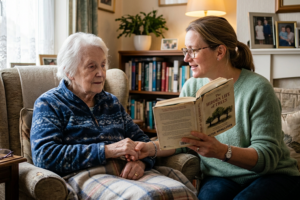
Interviewing older relatives is one of the best ways to fill in missing names, dates and information that aren’t easy to find in public records. Try asking about siblings, maiden names and hometowns – these details are harder to pin down when you’re only looking at official records. Beyond filling gaps in your tree, these conversations are also often where a family’s stories get recorded for the first time, which is reason enough to make time for them.
Organise your research before going online
Noting down all your research in a list or spreadsheet is a great way to streamline the process once you turn to online family tree platforms. It’s a good idea to quickly list out names, relationships and known dates. Don’t worry about things being perfect – the idea is to just gather all your information in one easy-to-read place so you have something to quickly refer back to later.
Choosing the best family-tree website
Ready to start documenting your family history research but not sure which platform to use? Here’s how to choose the right family-tree maker for your needs.
Free vs. paid family-tree platforms
Free family-tree platforms, like FamilySearch, are usually good enough if you’re just looking to put together a basic family tree. If you want to trace your ancestors more extensively, a paid platform, like Ancestry, MyHeritage or Findmypast, will give you access to larger historical record databases and smarter hint-matching, where the platform actively suggests records that might belong to your relatives. Paid platforms often make it easier to connect with other users researching the same family lines too.
Ultimately, the right choice depends on what you want to accomplish. If you already know most of what you want to add, or you’re comfortable researching records yourself, a free platform should be plenty. If you’d rather let the platform do some of the searching for you, or you want the chance to connect with distant relatives, a paid platform can be worth the cost.
Features to look for
When you’re choosing a family-tree software or online platform, here are some key features to look out for:
- Record/hint matching. The platform automatically suggests historical records that might match people in your tree.
- Mobile/app access. An app lets you add details or check your tree on the go – great for family gatherings when memories and stories tend to come up.
- Easy collaboration with relatives. This allows you to share access to your tree so relatives can add information, correct details or fill in gaps.
- Robust privacy controls. Settings let you decide who can see your tree and hide sensitive information about living relatives.
- The ability to attach photos and documents. Attaching photos and documents directly to each person’s entry makes them easier to keep track of.
- Options to export your family tree. Export options let you keep a backup of your tree and give you the option to switch platforms if needed.
Privacy and sharing options
Of course, when you’re choosing which platform to entrust with your family’s personal details (and sometimes your DNA), privacy is of the utmost importance. Under UK GDPR, platforms handling personal data must meet specific standards for consent, storage and how that data can be used, so it’s worth checking a platform’s privacy policy before adding your family’s information to it. Before choosing a platform, check whether they make your family tree public by default and whether they automatically hide living relatives’ information. Choose the provider that matches the level of privacy you’re comfortable with.
How to build a family tree online
If you’ve never tried to build a family tree online, knowing where or how to start can be daunting. Here are the key steps to get you started.
Step 1: Start with yourself
Most online family-tree makers have you start with yourself. You become the base everything else branches out from, so enter accurate details about your life.
Step 2: Add your immediate family
Next, add information about your parents, siblings, spouse and children. This is the easy part; for now, just add their names and birth and/or death dates. You can always add supplemental information later.
Step 3: Work back one generation at a time
It can be tempting to follow a thread back and back through time until you’re somewhere in the 1600s, but it’s always a good idea to work on one generation at a time. After recording your immediate family’s details, move on to your grandparents, then your great-grandparents. Try not to jump around too much. Building out each generation makes it easier to confirm and verify the generations you work on next.
Step 4: Add dates, places and supporting records
As you add each person to your tree, attach whatever supporting documents you have for them: birth certificates, census entries, marriage licences or even just a note about where a date or detail came from. Most platforms let you attach files directly to a person’s profile, so the record lives alongside the name, rather than sitting in a separate folder.
This is also the point where you’ll confirm details against what you gathered earlier. If a relative told you your grandmother was born in 1932, but a census record says 1931, note both and flag it to verify later, rather than picking one and moving on.
Step 5: Save and review your tree regularly
Most online family tree builders will autosave as you work, so you won’t have to worry about losing everything. But it’s always a good idea to periodically review the whole tree for any duplicate entries or obvious errors before you get too far into the process.
Where to find reliable family history records
Genealogy websites can be a tangled web to navigate, and it helps to know where you should be looking for different types of ancestry records. Here are some resources to get you started building your family tree.
Birth, marriage and death records
These documents can help you confirm exact dates, parents’ and relatives’ full names and locations where significant events occurred.
In England and Wales, civil registration began in 1837, and the General Register Office (GRO) holds the national index. FreeBMD lets you search these indexes for free, though you’ll need to order the certificate itself from the GRO to see the full details. Scotland and Northern Ireland keep separate registers: try ScotlandsPeople for Scottish records and GRONI for Northern Ireland. For events before 1837, parish registers held by local record offices are usually your best option.
Census records
Taken every ten years, census records can show you a household’s makeup, occupations and approximate ages. The National Archives holds UK census records from 1841 to 1921, with the 1921 Census of England and Wales available through Findmypast. After 1921, official records have a gap: the 1931 census was destroyed by fire, and no census was taken in 1941 because of the war (though the 1939 Register can serve as a partial substitute). The UK has a 100-year privacy rule that prevents publishing census results for 100 years after they were recorded. That means the 1951 census won’t be released until 2052.
Ancestry and Findmypast both offer full UK census collections with searchable indexes. Scotland’s census records are held separately through ScotlandsPeople.
Military and immigration records
Military and immigration records can help you trace your family’s movement between countries or verify a relative’s wartime service.
The National Archives holds British military service records going back several centuries, and Findmypast and Ancestry both offer digitised collections that are easier to search.
For immigration, Ancestry holds UK and Ireland incoming passenger lists from 1878 to 1960, while Findmypast covers outbound passenger lists from 1890 to 1960 and passport applications between 1851 and 1903.
Newspapers and obituaries
Newspapers and obituaries are often some of the best sources of biographical details that aren’t usually found in official records and can be a great way to fill in missing information in your family tree. The British Newspaper Archive (run in partnership with Findmypast) lets you explore millions of pages of digitised newspapers and publications dating back to the 1700s. Though many records require a subscription, some are free to view.
And don’t discount your local library – they often have their own local newspaper and microfilm/microfiche archives that aren’t digitised anywhere else.
Family photographs, letters and personal documents
Of course, your family’s own personal archives are another great place to search for information for your family tree. When you look for (and look through) old documents and photos (which you likely gathered before starting your family tree), keep a few key things in mind. Photos offer great visual records, but they also often have information written on the back, including names, dates and locations, so don’t forget to turn them over. You likely have relatives who have done family history research in the past. Ask them if they already have a collection of documents you can look at – it might save you time tracking down old records yourself.
Common mistakes to avoid when building a family tree
Getting started with genealogy can be a big task for beginners, and mistakes are bound to happen. But when you know what to look out for, you’re less likely to fall into these common traps.
- Accepting online hints without verification. Platform-suggested matches can often be wrong, especially for common names. Always treat matches/hints as leads, not facts, and verify with other sources.
- Confusing relatives with similar names. Repeating names across generations is very common. Your family might have three Jack Smiths or two Mary Colemans, which can get confusing when you build a family tree. Cross-check any repeated names with dates and locations to determine where they belong in your family timeline.
- Failing to record sources. If you don’t note down the source of the facts you’re adding to your family tree, you won’t be able to verify them later or resolve conflicting information. It’s always a good idea to record your sources and attach documents when you can.
- Ignoring conflicting records. You will run into conflicting information and sources on your family heritage journey. The best thing to do when two sources disagree is to note down both instead of picking one at random. That way, you can confirm the correct details with a third source later on.
Tips for growing and maintaining your family tree
Now that you know what to avoid, here are a few more tips to help you expand and maintain your digital family tree.
- Verify every new discovery. Getting a new match or hint on a family search website is exciting! Just be sure to verify any new matches against at least one other independent source before you add them to your family tree.
- Update your tree regularly. New historical records are digitised every day, so it’s a good idea to check what’s out there regularly. Treat your family tree as a living document, not a one-time project.
- Collaborate with relatives. Family history research is a great way to connect with relatives near and far, and many family-tree builders let you share access to your tree with multiple people. Get your relatives involved in the project – they often hold the pieces of the puzzle that you’re missing.
- Back up your research. You’re putting in lots of time and effort to create your family archive, so don’t forget to protect it. Export and download your tree periodically, just in case the platform you’re using shuts down, or you want to switch to a different one.
Build a family tree that tells more than names and dates
Working on your family tree is a great way to trace your ancestors and learn more about your family history, but the names, dates and locations you’ve collected are really just the framework. The stories, values and lived experience behind each branch are what make that framework mean something.
Ready to dig deeper? Our in-depth guide to researching your family history can help you get further when researching records. But records can only tell you so much: they can confirm names and birth dates, but not why someone made the choices they made or what it was like to have dinner with them.
That’s where a private memoir comes in. Once you’ve built out your family tree, a LifeBook takes it further by capturing the stories, memories and voice of the people in it, in their own words, before those details are lost. It’s a great next step for anyone who’s done the research and wants to preserve what documents alone can’t capture.
Frequently asked questions
What is the best free family-tree website?
FamilySearch is generally considered to be the best free family-tree maker. It offers solid tools for building a tree and gives you access to a large collection of historical records.
How do I start a family tree if I know very little about my family?
Start with what you do know, even if that’s just your parents’ and grandparents’ names. Then work backwards using historical records and any information you can gather from family members to fill in the gaps.
Can I build a family tree without paying?
Yes, free platforms like FamilySearch let you build a basic family tree and access historical documents at no cost.
How far back can I trace my family?
It depends on your family’s history and record availability, but many people can trace their roots back several centuries using historical records, especially in countries with long-standing record-keeping traditions.
Are online family trees accurate?
Online family trees are only as accurate as the information and sources behind them. Always verify any suggested matches and details against independent records before treating them as facts.
Should I take a DNA test when building a family tree?
It’s always optional, but a DNA genealogy test can help confirm relationships, connect you with unknown relatives and fill in gaps that records alone can’t answer. DNA data counts as special category data under UK GDPR, meaning it’s held to a higher standard of protection than most other personal information. Before submitting your results, check the platform’s privacy and data storage policies, since some platforms process or store data outside the UK.
How do I verify family history records?
Cross-check names, dates and locations across multiple independent sources, such as vital records, census data and family interviews, rather than relying on a single source.
What’s the difference between a family tree and family history?
A family tree maps out who’s related to whom, while family history is the fuller story behind those relationships: where people lived, what they did and the events that shaped their lives.

Written by Taylor McDaniel, LifeBook Memoirs editor