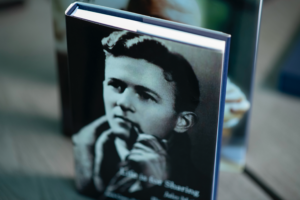
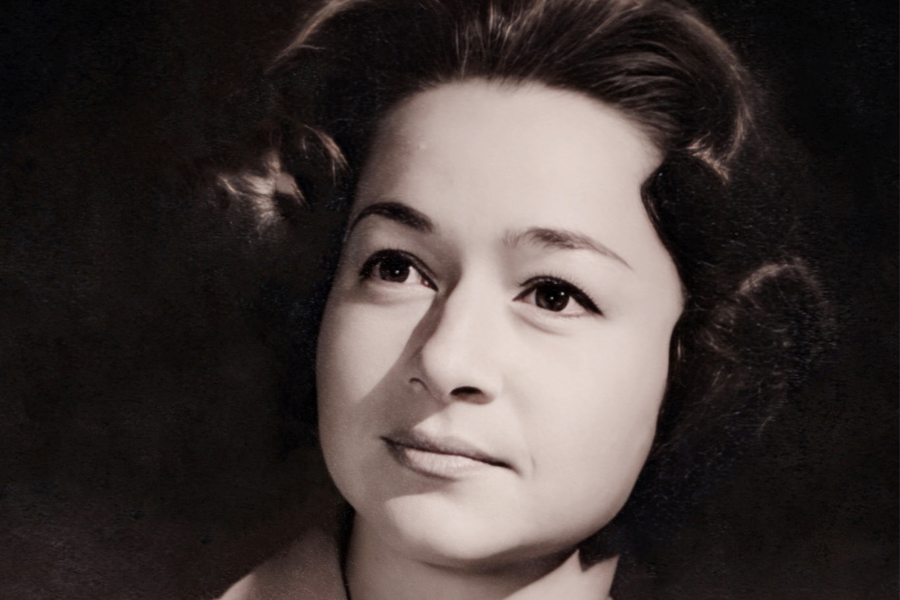
Ellen Hutt begins her memoir with these words:
I have lived a fascinating and diverse life, for which I am incredibly thankful, and I have been blessed with good health for most of my ninety-one years. The rise of Hitler in 1930s Germany, however, drastically altered the course of my life. Had he not come to power, I would likely have written this book in Berlin rather than Warwick. But alas, he did take control, causing devastation so immense that it still echoes throughout the world today. I consider myself fortunate to have the opportunity to share my story. Still, I’m acutely aware of the countless others, including many of my family members, whose voices were silenced during one of the darkest periods in history.
The traumatic effects of events far beyond anything that Ellen, a German Jewish child born in Berlin in 1933, could control or understand have, she says, resonated across her life, but they have not defeated her. She has instead lived her life joyfully, all the while motivated by her early traumas to help those in distress. For LifeBook Memoirs, helping her to tell her story has been a moving and inspiring experience.
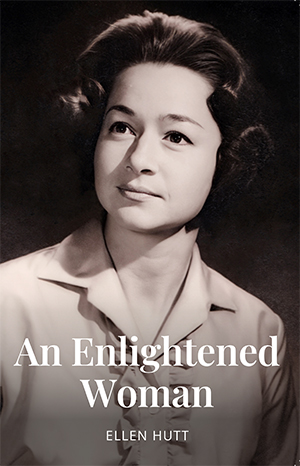
Persecuted for being Jewish, Ellen and her parents fled Germany in 1936, taking nothing with them but their lives and the clothes they wore. They lived an impoverished life as refugees in London until not long after the outbreak of the Second World War, when her parents, unable to prove that they were not enemy aliens, were interned on the Isle of Man. Ellen, then only six years old, remembers the horror of her parents’ arrest and of being bundled onto a train and marched along the streets of Liverpool between lines of jeering locals on the way to the ferry.
Ellen and her mother spent the next eighteen months in a women’s internment camp in Port Erin on the Isle of Man. They had little to eat, and their staple foods, bread and raw turnips, left Ellen undernourished. While her mother worked in the fields all day, Ellen had no school and instead spent her days wandering alone in their compound, fenced in by barbed wire.
In time, the family was released, and her father, who had been a research chemist in Germany, was sent to run a laboratory in Warwick. They spent the remainder of the war depending on the generosity of others for accommodation, moving six or seven times in a short period, until they were finally able to put down roots in their own home in Warwick.
Ready to enjoy life, Ellen became a very good tennis player and, by the time she left school in 1949, had dreams of becoming an opera singer. She chose not to study for Oxbridge exams and instead spent her time in rehearsals at Leamington and Warwick Operatic Society. Her father thought she should have a ‘proper’ job and acquired a place on a secretarial training programme for her. While there, she worked as secretary to the infamous Dr Beeching.
Ellen met her first husband, Willy, at the synagogue, but, owing to the twenty-five-year age gap between them, they spent five years trying to decide if they should get married. Willy worked at Central Hospital, Hatton (previously known as Warwick County Lunatic Asylum), and after their marriage, they lived in accommodation on the hospital grounds. Their daughter, Rosalie, was soon born. They had fifteen years of happy marriage together before Willy died.
When Ellen first arrived at Central Hospital, it had 1,600 patients with a wide range of diagnoses of mental ill health. Conditions there were inhuman, and patients were treated appallingly and locked in their cells all day. Ellen embarked on a long project to improve conditions at the hospital and make residence there more tolerable for the patients. It was a huge undertaking. She built a team of volunteers to raise funds and carry out practical tasks. She was also elected by the nurses as a COHSE (Confederation of Health Service Employees) representative. She quickly learnt to go straight to the top if she wanted to get anything done and regularly worked with MPs and government ministers. Not satisfied with improving the hospital, she also pioneered schemes such as the South Warwickshire Group Homes Association, which provided supported accommodation in the community for hospital residents when they left Central, and set up day centres for the many ex-patients unable to work. She received a number of awards and honours for her work.
Ellen met her second husband, Ron, while both were grieving for lost partners and welcomed two stepsons into the family. She and Ron were happily married for forty years until Ron’s death.
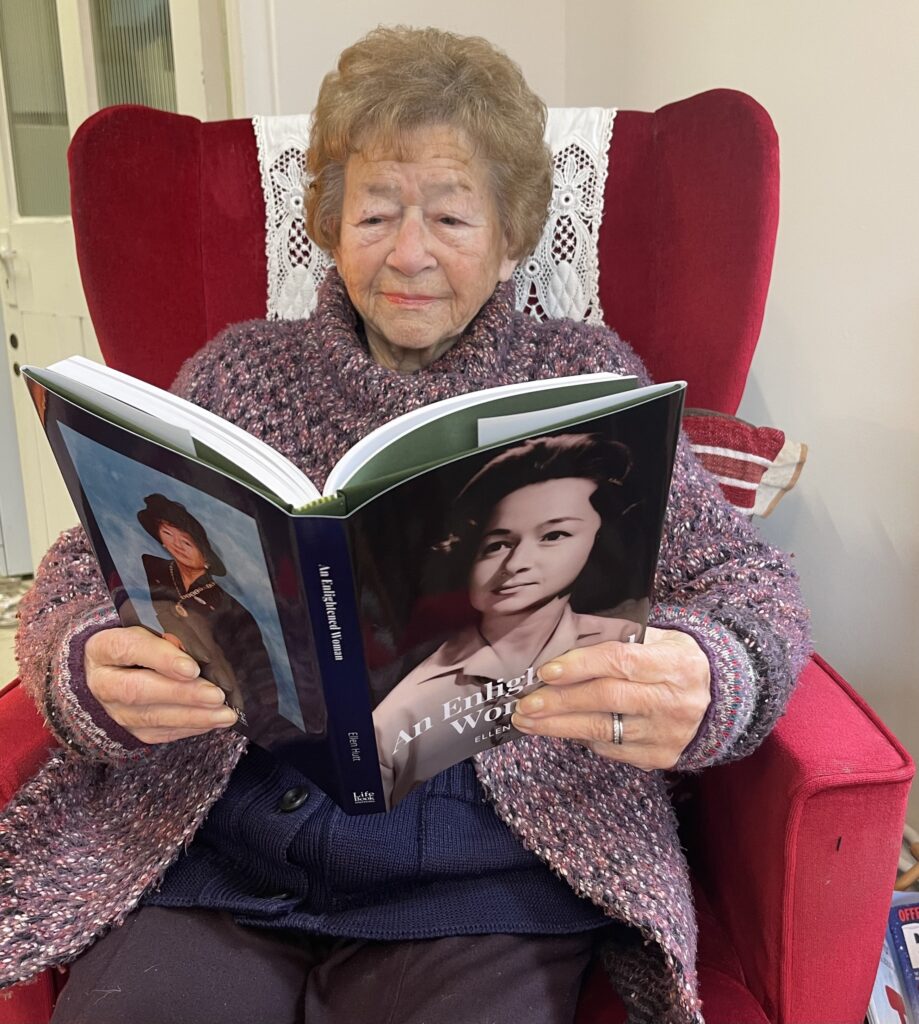
Either by accident or circumstance, Ellen has met a wide range of famous and sometimes quite unexpected people. The list is too long to recite here, but it includes royalty, archbishops (she and Justin Welby were told off for talking too much), a pope and a prime minister (fleetingly). She also once sat at the same table as the comedian Tommy Cooper at a dinner and laughed too much to eat anything, and she even put the phone down on John Lennon when he offered to sing his latest composition to her. She was too busy for that kind of thing!
Life included some hazardous travelling; once, on a flight home, her plane’s hydraulic system failed an hour out of New York. The pilot managed to glide his planeful of hysterical crew and passengers back to Idlewild and, with no landing gear, successfully crash-landed on the runway. The passengers, having already been processed out of the USA by immigration, were locked in a room at the airport for a few hours and – unwillingly – put on the next available plane home.
On another occasion, when hoping to transit from Israel to Egypt on a coach trip, Ellen was refused entry, owing to an anomaly on her visa that, mysteriously, didn’t affect anyone else in her party. She was escorted out into no-man’s land and abandoned in the desert in forty-degree heat with neither hat nor water. Shocked, but too doughty a woman to fall apart, Ellen walked alone for forty-five minutes back to the Israeli border, where she was promptly apprehended as a suspected suicide bomber. Clad only in a little yellow sun dress, she could not imagine where the Israeli authorities thought she might be hiding a bomb. When put in touch with a friend of her daughter’s, she was rescued in the kindest way possible and spent a happy week seeing the sights and helping on an archaeological dig in Jerusalem.
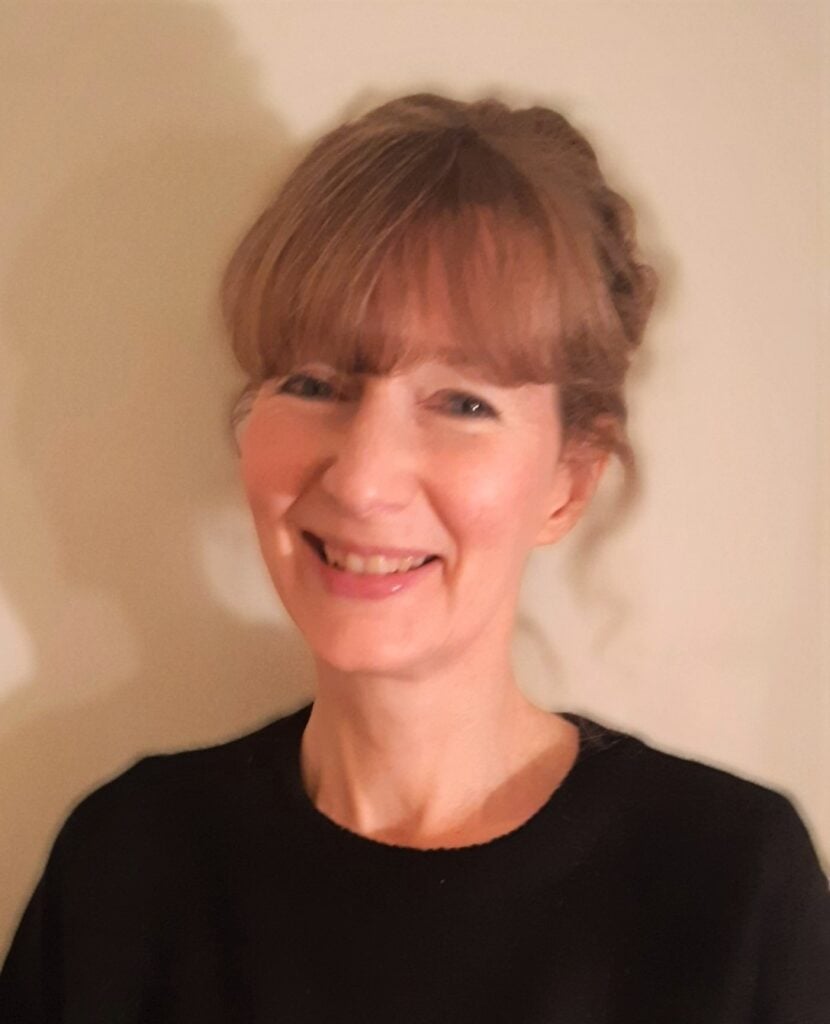
Now a proud great-grandmother, Ellen remains busy, but she is also content that she has lived a useful life. Although threatened by the Nazis and imprisoned by the British as a small child, Ellen, rather than harbouring resentment or allowing herself to be fearful, grew into a woman determined to challenge evil and apathy and to heal rifts. She is a thoroughly admirable woman.
Written by Kate Parry, LifeBook Memoirs editor